Dementia Focused Firm: Post Webinar Thoughts with Julieanne Steinbacher
- Amber Hinds
- Dec 19, 2025
- 2 min read

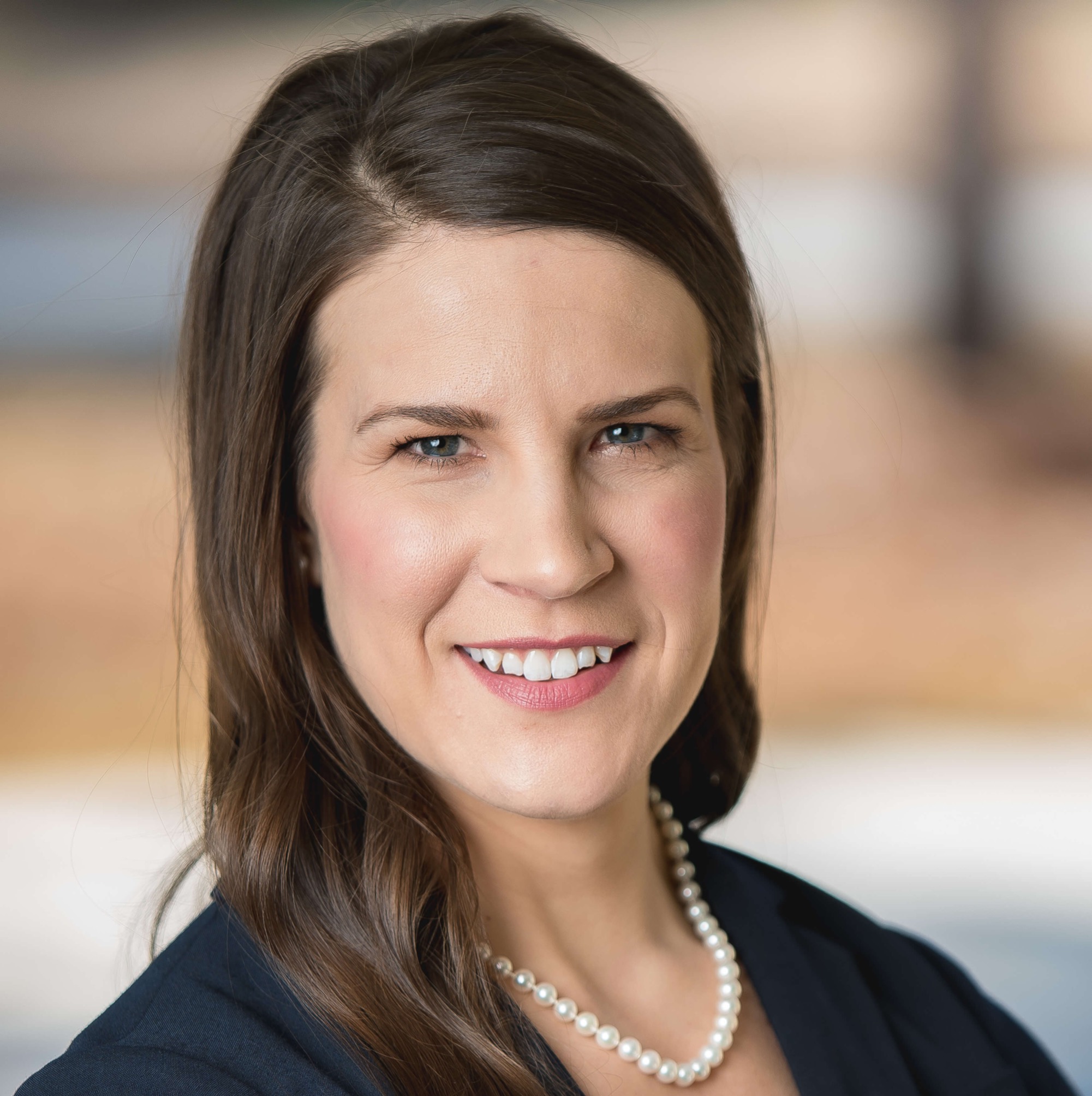
I recently had the privilege of joining Amber and the AshBer team as the guest presenter for their December Elder Law Webinar, where I shared one of the most critical and underserved areas in our field, building a truly dementia-focused law practice.
For more than a decade, my own firm has intentionally shifted away from a purely crisis-driven Medicaid model to something more proactive, personal, and impactful. Dementia is not a single moment in time; it’s a long and often overwhelming journey for families. Attorneys have the opportunity and I believe the responsibility to guide clients through that journey with structure, compassion, and specialized expertise.
AshBer shares that belief, and it made our conversation incredibly meaningful.
During the webinar, I answered the same question I ask attorneys across the country: “If 50% of your clients statistically will experience cognitive decline, are we doing enough to support them?”
We talked about:
● Why a diagnosis matters and how often clients receive incomplete or incorrect ones.
● The stark realities of care costs, including the average lifetime dementia cost of more
than $400,000.
● Why family caregivers provide 70% of all dementia care, often at the expense of their
own health, careers, and financial stability.
● How isolation accelerates decline, and why resources such as Memory Cafés and
dementia-friendly organizations matter.
Attorneys already field these pain-point questions every day. What many don’t realize is that by the time families ask them, they’re already drowning.
A major highlight of our discussion was how attorneys can evolve from document-drafting technicians to trusted navigators.
I walked attendees through how my firm integrates:
● Upgraded legal documents that account for dementia-specific scenarios.
● Caregiver agreements and compensation strategies to reduce caregiver burnout and
protect Medicaid eligibility.
● Advocacy for accurate diagnoses, often requiring coordination with neuropsychologists.
● Quarterly check-ins, resource referrals, and social-connection strategies that keep
clients out of crisis.
● Early facility exploration, rather than waiting for the ER visit that forces immediate
placement.
We also spent time discussing the Caregiver’s Trust, which my team uses to help families honor their wishes for future care while ensuring assets are used intentionally and fairly. It’s part of a broader movement I call empowerment planning: helping families stay in control long before Medicaid comes into the picture.
This resonates especially with baby boomers, who are redefining aging and fiercely value preparation, independence, and dignity.
My favorite part of collaborating with AshBer is how aligned our missions are. They understand that Elder Law needs to address long-term guidance, better family outcomes, and advocacy for a more dignified aging process.
If you missed the webinar, I encourage you to visit AshBer’s site, AshBer.com to learn more about their work supporting Elder Law and Estate Planning attorneys nationwide. I’m grateful they opened the door for this conversation and even more grateful so many attorneys are now exploring what a dementia-focused practice could look like for them.
And if you’re an attorney who wants to dive deeper into this approach, you can download additional resources, including my Caregiver Toolkit, at PlanningAndProtecting.com or explore my book and materials at DementiaFocusedPractice.com.
Together, we can make this journey easier for families who desperately need informed,
compassionate guidance.



Comments